Harmon and Scott revel over the history of crazy Japanese game shows. Learn about Takeshi's Castle - the granddaddy of all weird Japanese game shows. And find out about Candy No Candy - where contestants have to eat objects, like shoes, and determine if it's candy or not candy...
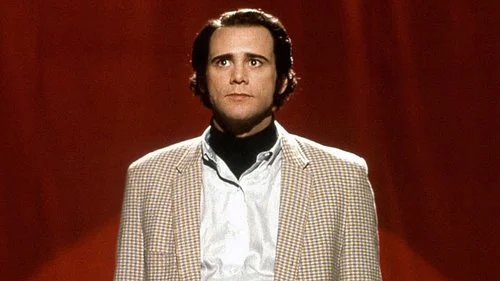
History of Jim Carrey and Andy Kaufman
History of the 1979 Comedy Store Strike
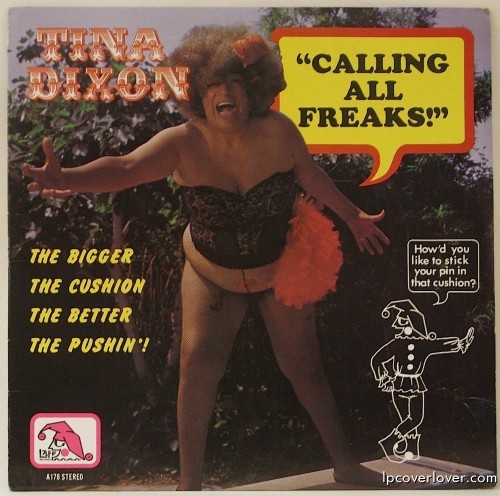
History of XXX Party Records
Harmon and Scott dive into the history of Party Records; particularly Laff Records, a small independent comedy label known for XXX humor and helped launch the careers of Richard Pryor, Redd Foxx, LaWanda Page, and Skillet & Leroy.
Here's the best description we found for party records:
“Party records were albums that people would play at night after the kids went to bed, records you weren’t supposed to have. They weren’t on the shelves at record stores. You would have to ask for them, then they would reach under the counter and put them in a paper bag. It was almost like you were doing a drug deal!”
Though sexually-themed records with blue material have been around since the 1920s. Originally recorded on 78 rpm records - in old-timey days, party records were considered obscene by the censors of the 1940s and was illegal to produced, buy, sell, or possess -and had to be sold under the counter. Take the 1940's-era classic: The Urinal.
Party records became a phenomenon shortly after Los Angeles doo-wop label Dooto began producing records by then stand-up comedian Redd Foxx in 1955. Foxx's record, Laff of the Party, sold 250,000 units, which solidified the medium. Between 1956 and 1958, Foxx released an uncanny 14 comedy albums.
Laff Records was the label that really cemented the party record genre in the 60s. Comedians recorded on this blue comedy label included: Richard Pryor, Redd Foxx, Lawanda Page – along with Pipe Layin Dan, Tina Dixon, Skillet & Leroy, and Richard & Willie (a ventriloquist who was described as "Pryor with a dummy"). George Carlin recorded his album, Killer Carlin, on Laff Records.
Party records helped to integrate the stand-up comedy scene. The label worked with black comics who were touring through the chitlin’ circuit. These comedians were ignored by larger record labels. Party records provided that these comedians were wildly popular.- that might otherwise slip through the cracks at a major label.
Listening to a record produced by Laff felt like the the comic told the label, “I’m having some friends over tonight” and they replied, “Great, just tell jokes for 30 minutes and we’ll bring the one microphone we own!” Albums recorded in nightclubs were accented with the sound of clinking glasses in the background. Laff’s home club was in LA called the Parisian Room.
The album covers, shot mostly by Bud Fraker and Dominic Belmonte, often weren’t even visible. Like old school pornography, the records were sometimes sold wrapped in brown paper and the words: “For Adults Only.” Often, the covers had photos of topless women with the nipples covered with stickers which you could take off.
Meanwhile, the back cover had liner notes written in a bizarre, black beatnik language; which were often written by Shelby Meadows Ashford, who was originally the record label's bookkeeper:
“A parade of clowns and jesters…so, like it or lump it, hate or hump it…your lights are gonna be blinking bright over this risqué disc…Blackfolk taught Whitefolk how to dance and then they taught Whitefolk to LAFF…spend another XXX filled evening with another XXX filled album.”
One of the most underrated things about Laff Records was its openness to female comics. One of the best acts on the label was the rawest chick this side of the Mississippi, LaWanda Page. Born: Alberta Peal, Page was a friend of Redd Foxx since they were preteens in St. Louis.
in 1971, Richard Pryor recorded his 2nd album, Craps, on Laff Records. Recorded at the Redd Foxx's club on La Cienega Boulevard in LA, the album was one of the first hints of the foul-mouthed genius within. Laff Record's producer, David Drozen, went through hours of material and cut together a storming 31 tracks for the album, 16 of which were less than a minute long.
Laff Records comedians have been sampled through the year; including: DJ Quik (LaWanda Page/“Tear It Off”), N.W.A. (Skillet and Leroy/“She Swallowed It”) Madlib (Auntie Tina Dixon/“Interlude 7”), and the Beastie Boys, who not only sampled Richard Pryor but also Mantan Moreland's "That Ain't My Finger."
History of the Comedy Straight Man
Harmon and Scott dive into the history and value of the straight man in comedy teams. They discuss the yin-yang balance and chemistry the straight man brings to the comedy team - ranging from the old-timey days of Laurel and Hardy all the way up to Broad City and the Mighy Boosh.
History of Comedy Crossing the Line
We explore the history of comedy that crosses the line. Scott and Harmon discuss comedy that's revolutionary and comedy that goes too far.
History of Joke Thieves
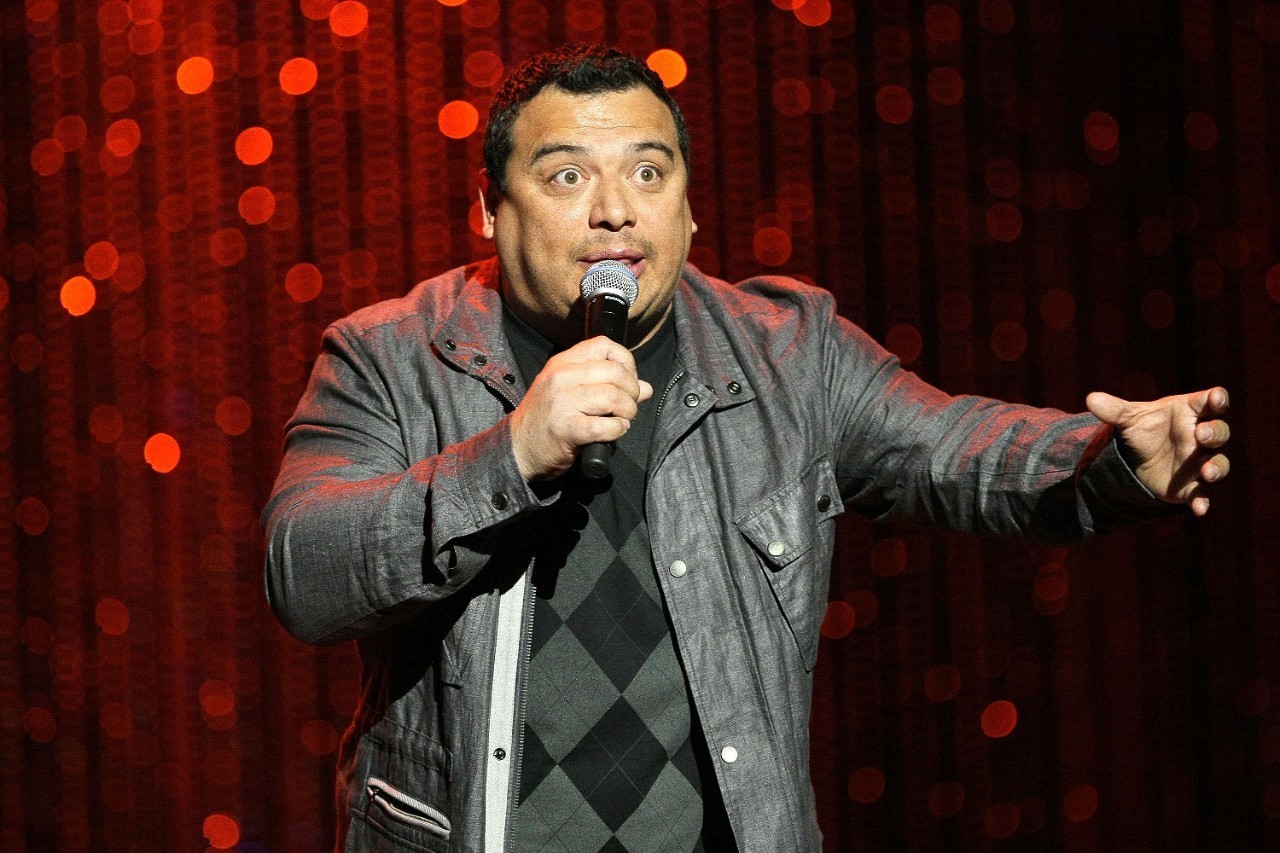
We explore the comedy history behind comedians stealing jokes. Scott and Harmon discuss everyone from Abbot and Costello to Carlos Mencia and the Big Fat Jew
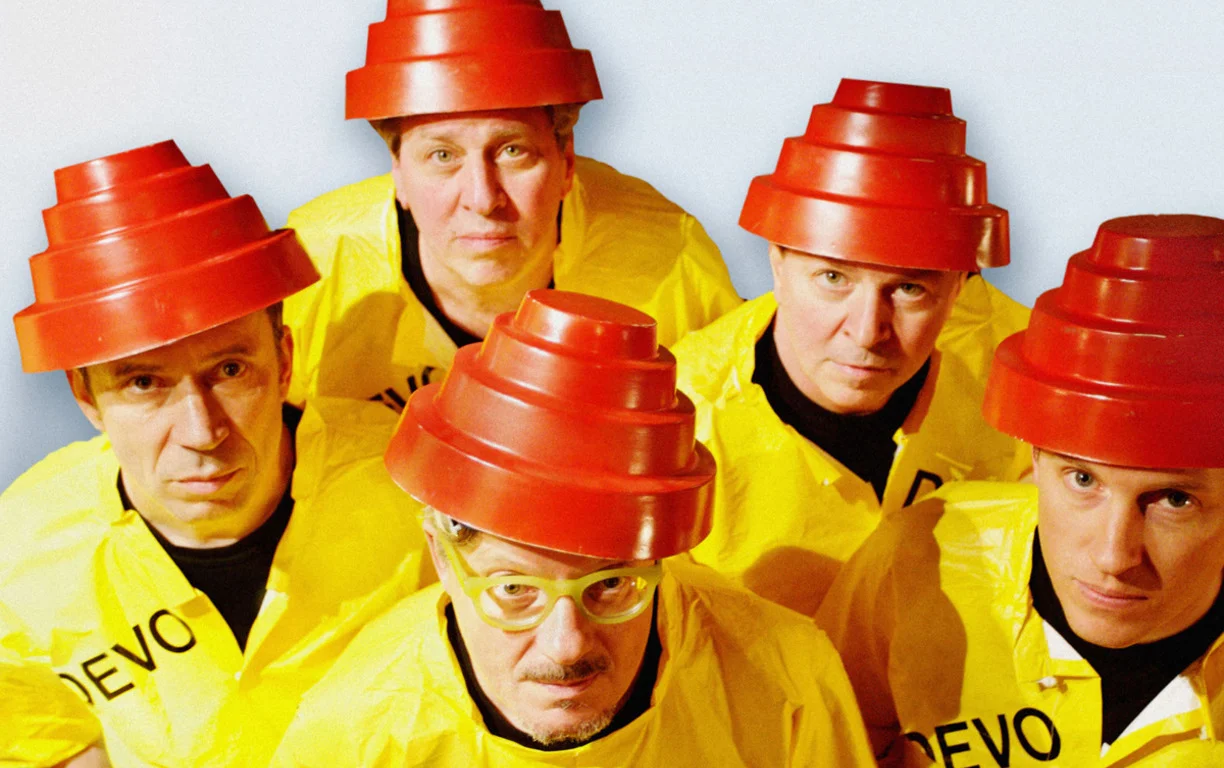
History of DEVO
We explore the comedy history behind the band DEVO - one of the funniest music groups of all time.
Learn about how they began as art students at Kent State - where founder member, Mark Mothersbaugh would make stickers of astronauts holding potatoes. Through this Spudman decals, Mothersbaugh struck up a friendship with co-founder Jerry Casale.
DEVO first described their music as bombs dropping mixed with Alka Seltzer jingles and the overall mood of the band as a combination of Fritz Lang's Metropolis and Ronald McDonald.
Find out about such carnations as Boogi Boy (Mothersbaugh's alter-ego), the red energy dome hats, and where they came up with the idea for the yellow jumpsuits.
Also, find out about Mothersbaugh's later work composing music for Pee Wee's Playhouse and Wes Anderson.
History of SCTV
Harmon and Scott dive into the history behind the legendary sketch comedy show: SCTV.
Learn how SCTV was an offshoot of the original Toronto company of- and find out more about the original SCTV cast that consisted of John Candy, Joe Flaherty, Eugene Levy, Andrea Martin, Catherine O'Hara, Harold Ramis, and Dave Thomas.
Hear what were Harmon and Scott's favorite episodes - and learn the meaning behind, "Crane shot!"
History of Louie Theroux
We dive into the work of one of our favorite documentary filmmakers: Louie Theroux. We discuss his long range of BBC specials - and his most recent project: My Scientology Movie.
Find out about Louie's early days as an intern at the San Jose Metro - and his work alongside Michael Moore on TV Nation. Get acquainted with Louie's first TV series: Louie Theroux's Weird Weekend; where he immersed himself into such subcultures as swingers, pro-wrestling, and porn stars.
Also, find out about both Louie and Harmon's connection with the infamous Westboro Baptist Church.
History of Rutland Weekend Television
What did Eric Idle right after Monty Python? Rutland Weekend Television. Harmon and Scott dive into the history behind the 1975 cult TV show that was responsible for launching the legendary Beatles parody: The Rutles. Idle teamed with musician Neal Innes - from the Bonzo Dog (Doo-Dah) Band - who was considered the seventh member of Monty Python and crooned songs in Monty Python in the Holy Grail.
Rutland Weekend Television (RWT) was a television sketch show on BBC2 that was written by Eric Idle with music by Neil Innes. The show lasted for two series; with six episodes filmed for the first series in 1975, and seven episodes for the second series in 1976. A Christmas special was also produced and broadcasted on Boxing Day 1975.
Monty Python's Flying Circus had just ended the year before. And Eric Idle was the first of the Pythons to have his own comedy series. (Faulty Towers ran later in 1975.) The production studio for the show was tiny. The cast and crew had to carry the entire set up flights of stairs before each filming.
The premise of RWT was that the show was "Britain's smallest television network," and broadcasted from England's smallest county, Rutland. The pairing of Innes and Idle meant a lot of funny musical parodies - such as The Gay Whistle Test:
Did you know that former Beatles member, George Harrison, played a role in Rutland Weekend Television; as a pirate? Also, the bands Toad the Wet Sprocket and Death Cab for Cutie - got their names from references connected to the show.
A segment on Rutland Weekend Television later spun off into the full-length mockumentary, The Rutles.
In 2002, there was a sequel to The Rutles called Can't Buy Me Lunch. It wasn't very good. But Rutland Weekend Television's legacy is that it created the musical mockumentary and begot other comedy's set in TV studios, such as SCTV.
History of the Improv Comedy Club
Harmon and Scott talk about the history of the legendary Improv comedy club. Learn about Bud Friedman and his club that launched the careers of Andy Kaufman, Jerry Seinfeld, Jimmy Fallon, Sarah Silverman, and just about everyone else who is famous in the world of comedy.
Find out about the humble beginnings in Hell's Kitchen. When did the iconic brick wall come about? How did the Improv became a megalopolis comedy brand?